A logo isn’t a brand identity. So what are you actually paying for?
A logo matters. It gives people something recognisable to associate with your business. But a logo on its own isn’t a brand identity.
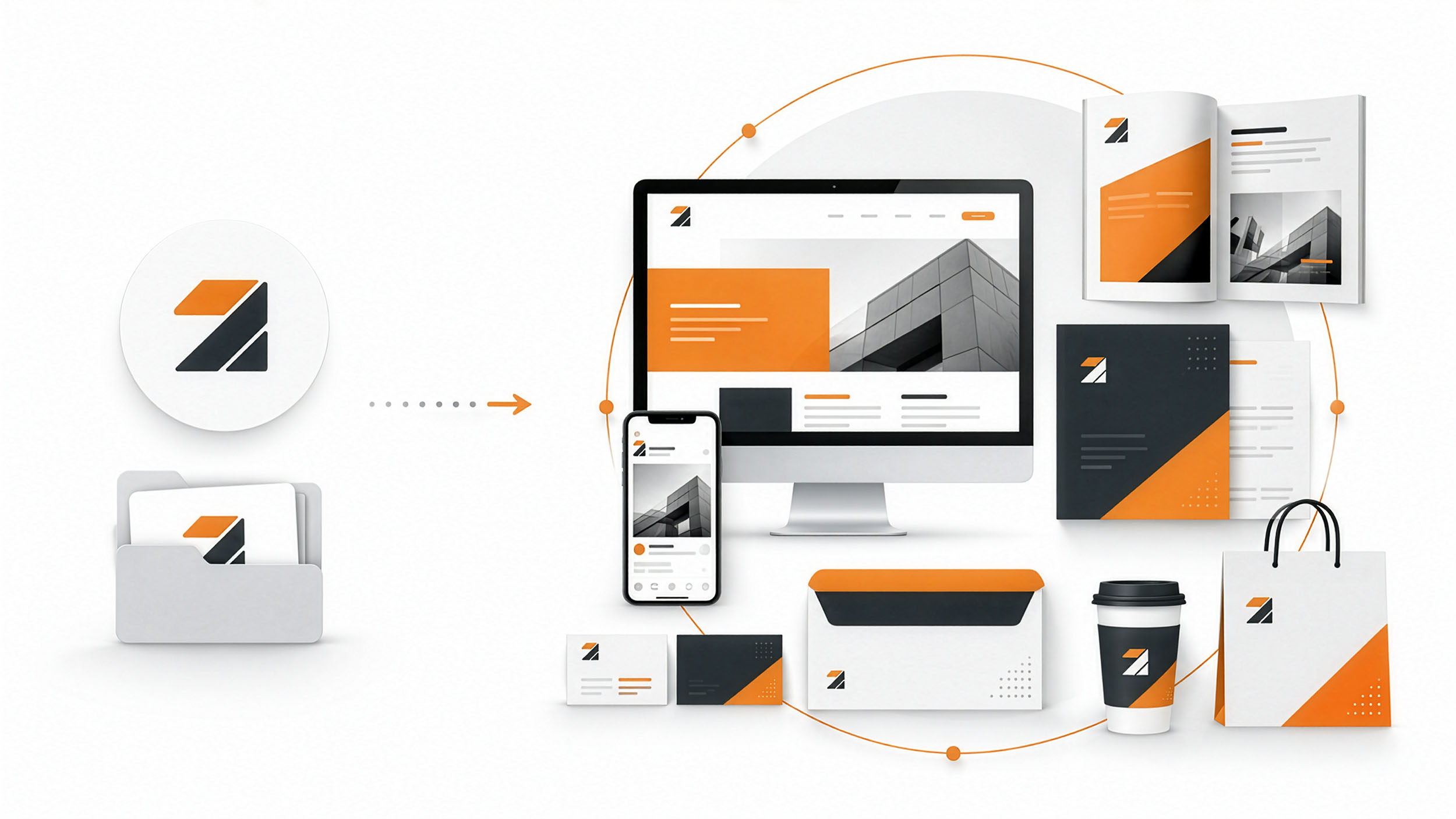
That difference becomes obvious when the logo has to leave the top corner of your website and start working across everything else your business produces. Your website. A proposal. A brochure. Social content. A presentation. Signage. An advert.
If every one of those needs reinventing from scratch, you don’t really have an identity. You have a logo.
A logo is one part of the identity
Your logo is an important visual marker for the business, but it can’t do everything.
It doesn’t decide how a page should be laid out, which typefaces should be used, how photography should feel or how different pieces of communication should relate to one another.
That’s the job of the wider brand identity.
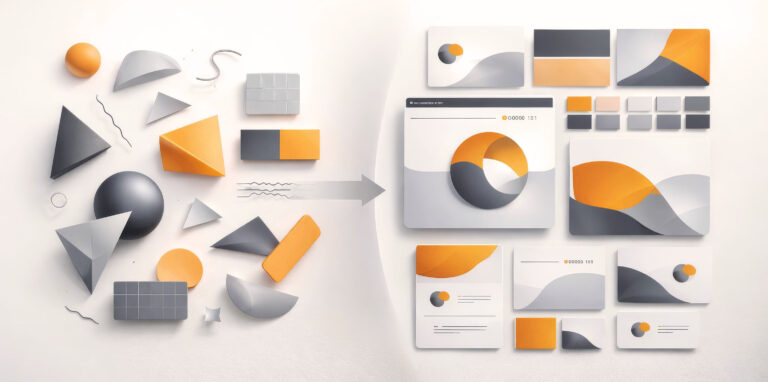
A good identity creates a recognisable visual language around the logo, giving the business enough structure to communicate consistently wherever it is encountered.
The real test is what happens when you remove the logo
This is one of the simplest ways to judge whether you have a genuine visual identity. Take the logo off your website. Take it off a brochure, presentation or social post.
Would someone who knows your business still recognise it?
If the answer is no, the logo may be doing far too much of the work. A strong identity creates recognition through more than a single mark. Typography, colour, imagery, layout, and other visual elements begin to work together, allowing the business to develop its own distinctive character.
Consistency doesn’t mean making everything look the same
This is where businesses can get identity wrong. Consistency isn’t about rigidly reproducing exactly the same layout everywhere. A website and a brochure have different jobs. So do an exhibition stand and a LinkedIn graphic. They shouldn’t look identical. They should feel like they came from the same business.
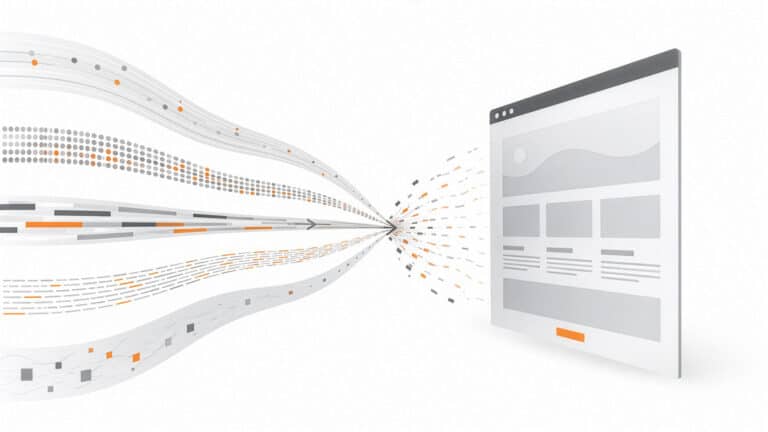
That’s the value of having a visual system rather than a collection of individual designs. There is enough structure to create recognition, but enough flexibility for the identity to work across different formats and situations.
So what are you actually paying for?
When you invest in professional brand identity design, you shouldn’t simply be paying for a prettier logo and a folder full of different file formats. You’re paying for the thinking and visual system around it.
Depending on what the business needs, that could include:
- the logo and variations needed for different applications
- typography and how it should be used
- a practical colour system
- imagery or photography direction
- graphic elements and supporting visual devices
- layout principles
- examples of how the identity works across real communications
- guidelines that help other people use it consistently
The exact deliverables will vary from business to business. What matters is that you end up with something usable.
You should know how the business is meant to look without having to start again every time something new needs to be designed.
A brand identity has to work in the real world
This is where identity design stops being a branding exercise and starts becoming useful to the business.
When we worked with The Pond Specialist, the objective wasn’t simply to make the business look different. The identity had to work alongside clearer positioning and be consistent across the website so the business felt more credible, established, and easier to choose.
See The Pond Specialist case study →
The same principle applied with Butek Tanks. The identity had to work across a specialist industrial business where credibility, technical capability and procurement confidence mattered.
See the Butek Tanks case study →
A brand identity only earns its keep when it works where customers actually encounter the business.
When is a logo enough?
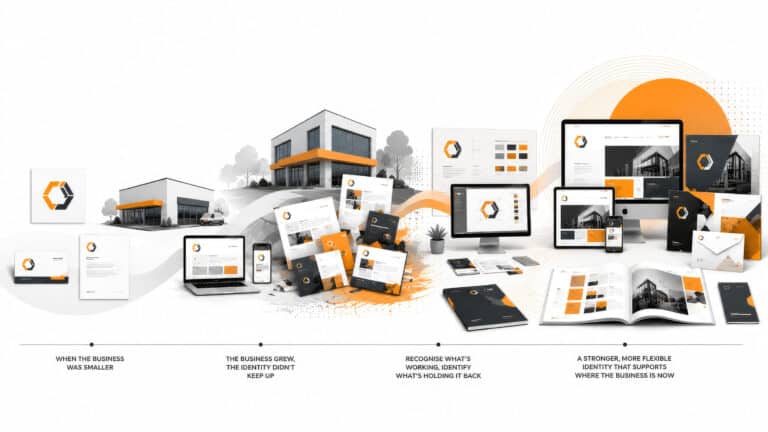
Not every business needs an extensive identity system from day one. If you’re starting something very small, testing an idea or have very few customer-facing communications, a well-designed logo and a simple set of visual rules may be perfectly adequate.
The problem usually comes later.
- The business grows.
- More people start creating marketing material.
- The website develops.
- Presentations appear.
- Social media expands.
- Sales teams need documents.
- Different suppliers get involved.
Slowly, everything starts looking slightly different. That’s often when a business discovers it didn’t really have an identity capable of growing with it.
You might not need another logo
If your business already has a recognisable logo but everything around it feels inconsistent, replacing the logo may not solve the problem. The better answer may be to develop the identity around what you already have.
That could mean strengthening the typography, colour, imagery and wider visual language so the business finally has a system that works across its communications.
Because the objective isn’t simply to have a better logo.
It’s to make the whole business feel clearer, more consistent and more credible wherever someone encounters it.
Is your brand identity doing enough?
If your business has outgrown a logo that was never developed into a wider visual system, we can help you work out what needs to change and what is worth keeping.